Mobile Trends Innovations Shaping Everyday Technology
Introduction
Mobile Trends Innovations are reshaping how people work, travel, shop, and connect. From on-device artificial intelligence to foldable screens and quieter wearables, today’s gadgets are becoming more personal, efficient, and surprisingly invisible. The biggest changes are not merely flashy upgrades; they reflect a shift toward technology that anticipates needs without demanding attention.
Advertisement
Smarter Devices, Smaller Footprints
Mobile Trends Innovations increasingly focus on making devices more capable without making them physically larger. Modern smartphones can translate conversations, remove unwanted objects from photographs, summarize messages, and adjust performance according to habits. Much of this work happens directly on the device, reducing delays and improving privacy because sensitive information does not always need to travel to a distant server. Battery technology is also receiving attention, with manufacturers exploring improved materials, faster charging systems, and software that learns when a person is likely to need extra power. The result is a phone that behaves less like a digital Swiss Army knife and more like a calm, competent assistant.
Advertisement
Artificial Intelligence Moves Onboard
Mobile Trends Innovations are closely tied to the rise of generative and predictive artificial intelligence. Instead of treating AI as a separate application, manufacturers are building it into cameras, keyboards, search tools, accessibility features, and operating systems. A phone may recognize the context of a conversation, suggest a useful response, or organize a crowded gallery without requiring elaborate instructions. On-device processing is especially valuable in places with weak connectivity, where cloud-based services may be slow or unavailable. However, convenience brings important questions about consent, data collection, accuracy, and the tendency of software to sound confident even when it is mistaken. The smartest feature is still one that lets users remain in control.
Advertisement
The Return of Flexible Design
Mobile Trends Innovations are giving flexible hardware a second chance. Foldable phones, sliding screens, and dual-display devices offer larger viewing areas while preserving pocket-friendly dimensions. Their appeal is practical: a compact device can open into a mini workspace, reading surface, or entertainment screen. Yet flexible products also reveal the engineering compromises behind their sleek appearances. Hinges must survive repeated movement, screens require specialized materials, and software needs to shift gracefully between shapes. Prices remain high, but competition and improved manufacturing could eventually make these designs less like luxury curiosities and more like ordinary alternatives. The humble rectangle is not disappearing, but it is learning to bend.
Advertisement
Connectivity Beyond Faster Downloads
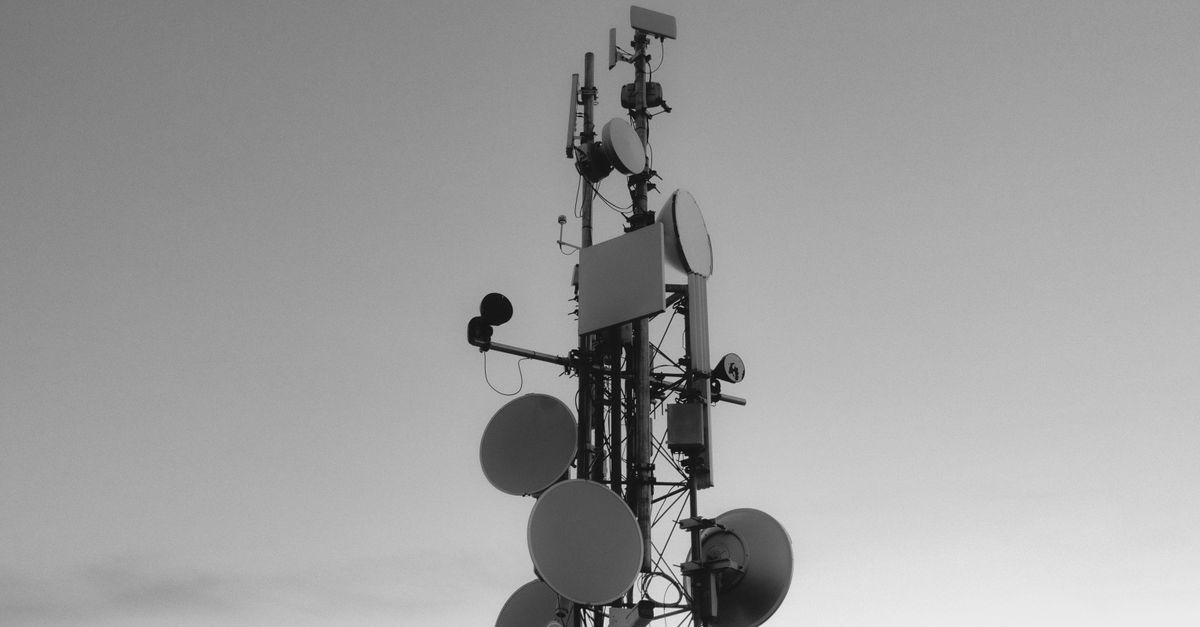
Mobile Trends Innovations are also changing what connectivity means. The conversation has moved beyond headline download speeds toward reliability, coverage, and responsiveness. Newer cellular networks support connected vehicles, remote equipment monitoring, immersive collaboration, and dense networks of sensors. Satellite messaging is extending basic communication to areas beyond conventional coverage, offering a valuable safety layer for travelers and rural communities. Meanwhile, Wi-Fi improvements are helping homes, offices, and public spaces manage many devices at once. These developments matter because a connected world is useful only when connections work consistently, not merely when a speed test produces an impressive number.
Advertisement
Wearables Become More Discreet
Smartwatches and fitness bands were once treated mainly as miniature phone companions, but their role is broadening. They can monitor activity, provide navigation cues, display payments, and help users manage notifications without reaching for a larger screen. Newer wearable categories include smart rings, connected glasses, and earbuds with environmental awareness. Their most persuasive quality may be subtlety: technology can assist in the background rather than constantly demanding visual attention. This approach also supports accessibility, allowing people to receive information through sound, vibration, or simple gestures. The challenge is ensuring that helpful monitoring does not become intrusive surveillance, particularly when devices collect intimate behavioral data.
Advertisement
Cameras, Creativity, and Authenticity
Smartphone cameras continue to improve through computational photography rather than hardware alone. Multiple lenses, depth sensors, machine-learning models, and advanced image processing can produce clear photographs in difficult lighting or stabilize video while a user is moving. Editing tools now make professional-looking results accessible to nearly anyone, which is both exciting and slightly dangerous for anyone who once relied on blurry vacation photos as evidence. As synthetic images become easier to create, manufacturers and software developers are exploring labels, provenance records, and other signals that distinguish captured moments from heavily generated ones. The future camera will not simply record reality; it will also explain how much of the final image was created by software.
Advertisement
Sustainable Design Takes Center Stage
Environmental concerns are becoming a more visible part of product development. Companies are experimenting with recycled materials, longer software support, replaceable components, energy-efficient chips, and packaging that produces less waste. Repairability is particularly important because extending a device’s useful life can reduce the environmental cost of manufacturing replacements. Consumers are also paying closer attention to trade-in programs, refurbished products, and responsible recycling. Sustainability, however, cannot be measured by a green label alone. It depends on supply chains, labor practices, energy use, durability, and what happens when a device finally reaches the end of its life. A thinner box is welcome, but a longer-lasting product is better.
Advertisement
Security and Personal Control
As devices become more woven into daily routines, security is no longer an optional technical detail. Biometric authentication, encrypted communication, passkeys, privacy dashboards, and automatic updates are helping protect accounts and personal information. At the same time, greater connectivity creates more possible entry points for criminals, advertisers, and poorly designed services. Users need understandable settings rather than dense menus that resemble tax forms written by robots. Manufacturers share that responsibility by making privacy protections the default, explaining permissions clearly, and supporting products for many years. Trust will become a competitive advantage, because people are unlikely to welcome clever technology that treats their personal data as an all-you-can-eat buffet.
Advertisement
What Comes Next
Mobile Trends Innovations point toward technology that is more adaptive, connected, flexible, and quietly integrated into everyday routines. Artificial intelligence will make devices more responsive, while new forms, networks, and wearables will broaden how people interact with digital services. Sustainability and security will determine whether these advances feel genuinely useful rather than merely novel. The most successful products will not demand constant attention; they will earn trust by solving real problems with restraint.
Advertisement