The Next Wave of Smarter, More Personal Mobile Tech
Introduction
Mobile technology is no longer merely a pocket-sized toolbox; it is becoming an adaptable companion for work, entertainment, health, and communication. From on-device artificial intelligence to recyclable hardware, the latest developments are changing what phones can do and how people expect them to fit into daily life without demanding constant attention.
Advertisement
From Phones to Personal Computing Hubs
Mobile Innovation Insights reveal a broad shift: smartphones are evolving from communication devices into personal computing hubs. They now manage payments, navigation, photography, entertainment, productivity, and an expanding collection of smart-home controls. The most important change is not always a dramatic new feature. Often, it is the quiet combination of sensors, software, and cloud services that makes everyday tasks faster and less fiddly. A phone can recognize a song, translate a menu, summarize a meeting, or adjust a thermostat before its owner has fully located the right app. In other words, the pocket computer is becoming less like a Swiss Army knife and more like a very patient assistant.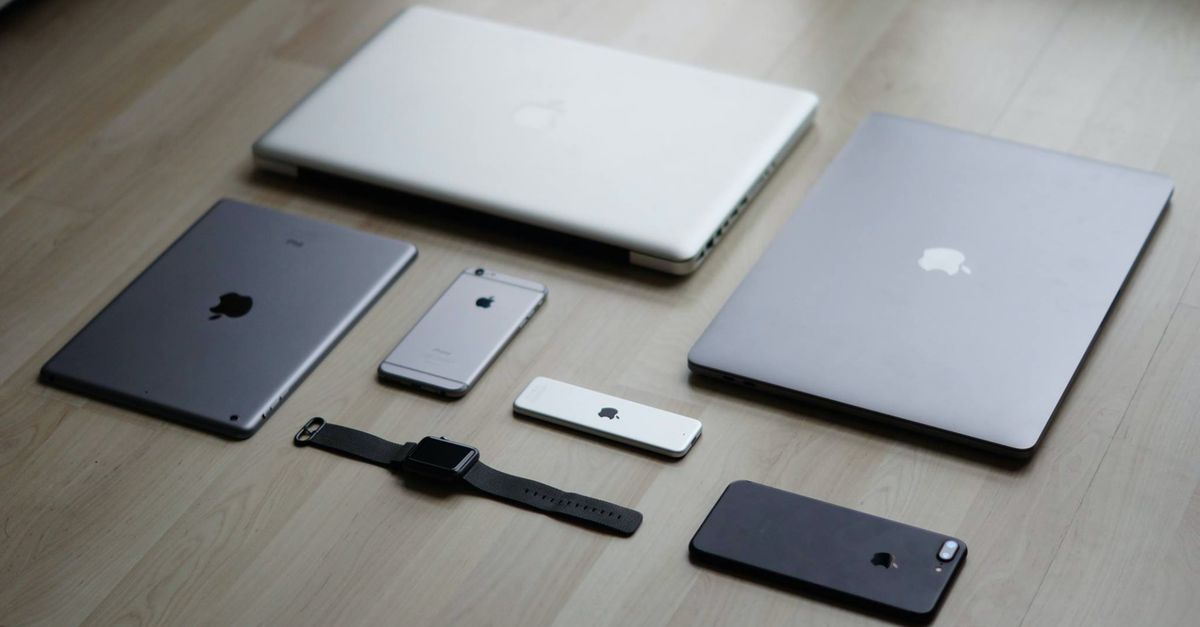
Advertisement
Artificial Intelligence Moves Closer to the User
Mobile Innovation Insights increasingly center on artificial intelligence, especially models that operate directly on a device. On-device AI can edit photos, create captions, filter spam, and interpret voice commands without sending every detail to a distant server. This can improve speed and privacy while reducing dependence on a reliable internet connection. The challenge is efficiency. Advanced AI requires considerable processing power, yet users still expect slim devices and batteries that last all day. Manufacturers are responding with specialized neural-processing chips, smarter power management, and software that decides which tasks belong on the phone and which should happen in the cloud. The best AI experience may be the one users barely notice.
Advertisement
Design Is Becoming More Flexible
Mobile Innovation Insights also point to a design era less obsessed with making phones merely thinner. Foldable screens, rollable concepts, detachable accessories, and improved styluses are expanding the meaning of portability. A compact device can open into a larger workspace, while a tablet can become a more practical travel companion when paired with a keyboard. Durability remains the crucial test. Flexible hinges, crease-resistant displays, and water protection must improve before foldables become ordinary rather than intriguing. Still, the direction is clear: mobile design is moving toward devices that adapt their shape and interface to the task, rather than asking users to adapt their habits to a fixed rectangle.
Advertisement
Connectivity Gets Faster and More Contextual
Mobile Innovation Insights are impossible to separate from advances in connectivity. Faster cellular networks support smoother video calls, cloud gaming, remote collaboration, and real-time translation. Yet speed alone is not the whole story. Modern devices are becoming better at switching between cellular, Wi-Fi, satellite links, and nearby devices according to availability and need. That flexibility matters in crowded cities, rural areas, and emergencies. It also supports a growing ecosystem of connected products, from earbuds and watches to vehicles and industrial equipment. The phone increasingly acts as a traffic controller for personal data, with convenience rising alongside the responsibility to keep those connections secure.
Advertisement
Battery Life Remains the Unromantic Hero
Among the most practical Mobile Innovation Insights is the continuing importance of battery technology. A dazzling camera or clever assistant is of limited value when a device spends the afternoon displaying a low-battery warning like a tiny electronic prophet of doom. Progress is arriving through faster charging, more efficient processors, improved battery chemistry, and software that learns usage patterns. Researchers are also exploring solid-state designs and alternative materials that could increase capacity and safety. Until major breakthroughs reach mass production, thoughtful energy management will remain essential. The winning device is not necessarily the one with the most features, but the one that keeps those features available when they are needed.
Advertisement
Sustainability Becomes Part of the Product Story
Mobile Innovation Insights now include environmental questions that were once treated as an afterthought. Consumers, regulators, and investors are asking how devices are manufactured, repaired, transported, and recycled. Longer software support can extend a phone’s useful life, while replaceable batteries and accessible parts can reduce electronic waste. Recycled metals, responsibly sourced minerals, and lower-impact packaging are also becoming more visible selling points. Sustainability, however, should not be reduced to a green label on a box. It depends on measurable supply-chain standards, transparent reporting, and designs that survive real-world use. A phone that lasts five years is generally more environmentally friendly than one replaced every eighteen months, regardless of its fashionable color.
Advertisement
Privacy and Control Shape Consumer Trust
Innovation is valuable only when people feel comfortable using it. Mobile devices hold messages, photographs, financial details, location histories, and intimate routines, making privacy a central design issue rather than a settings-menu footnote. Stronger encryption, clearer permission controls, local processing, and security updates can give users more meaningful control. Companies must also explain what data is collected and why, without hiding important details beneath cheerful language and twelve screens of legalese. Trust will increasingly distinguish useful innovation from intrusive novelty. People may enjoy a phone that anticipates their needs, but they should not feel that it is quietly writing a biography about them.
Advertisement
What the Next Generation May Look Like
The next generation of mobile devices will likely be defined by cooperation among technologies rather than by one spectacular invention. Artificial intelligence will coordinate cameras, microphones, sensors, and applications. Flexible displays may make different form factors more practical, while improved networks connect devices across homes, workplaces, vehicles, and public spaces. Health and accessibility features could become more integrated, helping users interact through voice, gestures, visual adjustments, and contextual controls. At the same time, competition will remain intense around price, repairability, battery life, and software support. The most successful products will balance ambition with restraint: they will add useful capabilities without turning every ordinary moment into an invitation to tap, swipe, subscribe, or upgrade.
Advertisement
Conclusion
Mobile Innovation Insights show that the future of mobile technology is less about one magical gadget and more about intelligent, flexible systems. Artificial intelligence, adaptable design, stronger connectivity, better batteries, sustainability, and privacy are all shaping the next stage of personal computing. The most meaningful progress will make technology more useful while asking less attention from its users. In the end, the smartest device may be the one that fits so naturally into life that it feels helpful rather than demanding.
Advertisement