How Phones Are Becoming Smarter, Smaller, and Greener
A Pocket-Sized Technology Shift
Phones have moved far beyond simple calling and texting. Today, pocket-sized devices blend cameras, computers, wallets, translators, and creative studios. Mobile Innovation Pulse captures this shift: technology is becoming more capable, connected, sustainable, and quietly woven into ordinary routines, from morning commutes to late-night playlists.
Advertisement
Intelligence Moves Onto the Device
One of the biggest developments in Mobile Innovation Pulse is the rise of on-device artificial intelligence. Instead of sending every request to a distant data center, newer phones can summarize messages, remove unwanted objects from photographs, translate conversations, and predict useful actions locally. This approach can make features faster while reducing the amount of personal information traveling across the internet. It also helps when a signal is weak, which is useful whether someone is navigating a rural road or hiding from a painfully slow café network. The most successful systems will not simply shout that they use AI; they will make everyday tasks feel smoother without demanding technical knowledge from the user.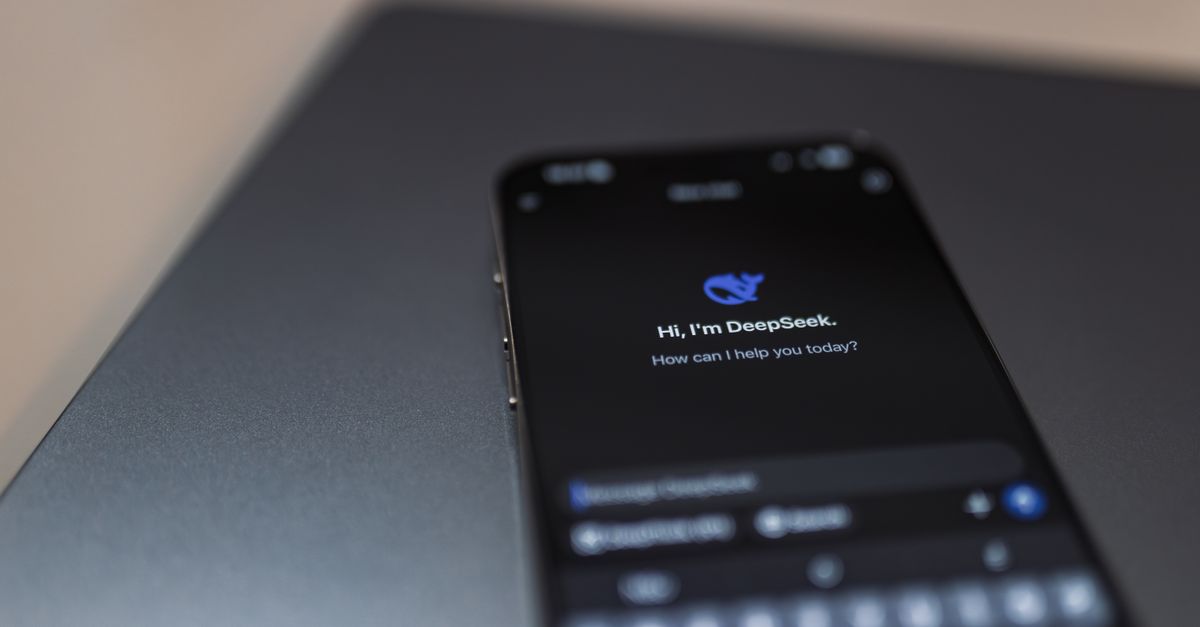
Advertisement
Screens Become More Flexible and Useful
Display design is another important strand of Mobile Innovation Pulse. Foldable phones have progressed from expensive experiments into increasingly practical products, offering a compact shape that opens into a larger workspace. Rollable and stretchable screens remain less common, but research continues into materials that can bend without sacrificing brightness or durability. These designs could make multitasking more comfortable, especially for reading, editing documents, gaming, or watching video. Yet clever hinges and futuristic panels must survive ordinary life: pockets, rain, accidental drops, and the mysterious crumbs that seem to inhabit every bag. Convenience will matter more than novelty when flexible devices compete for mainstream attention.
Advertisement
Better Cameras Without Bigger Equipment
Photography continues to shape Mobile Innovation Pulse, although progress is now driven as much by software as by lenses and sensors. Computational photography combines multiple exposures, machine learning, and careful image processing to produce brighter night scenes, clearer zoom shots, and more natural portraits. Phones can recognize skies, faces, pets, and difficult lighting conditions in milliseconds. Video tools are improving too, with stronger stabilization, cinematic focus changes, and audio cleanup. The result is not a replacement for every professional camera, but it does place surprisingly capable equipment in millions of pockets. For many people, the best camera remains the one that is already with them when something memorable happens.
Advertisement
Connectivity Reaches Beyond the City
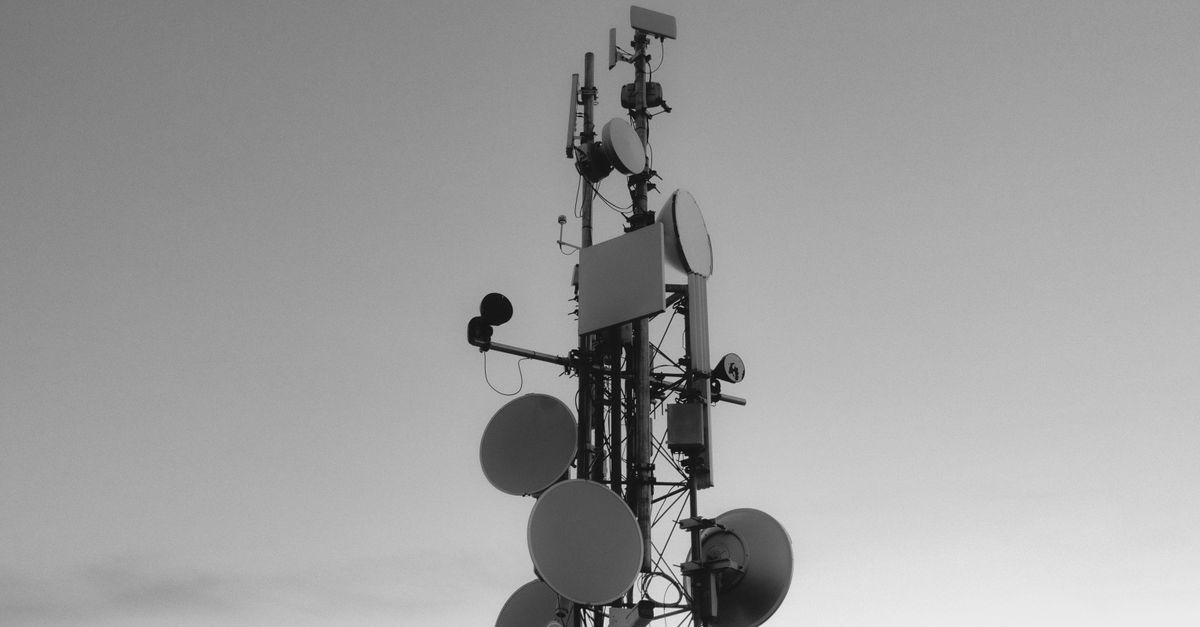
The next phase of Mobile Innovation Pulse is expanding reliable communication beyond conventional cellular coverage. Satellite messaging is becoming available on more devices, allowing users to send limited emergency or location updates in remote areas. New wireless standards are also promising lower delays, faster downloads, and improved performance in crowded places such as stadiums and transport hubs. Connectivity, however, is more than a race for impressive speed tests. It includes dependable access, affordable service, compatible infrastructure, and thoughtful design for people with disabilities. A spectacular network that only works for premium customers is less revolutionary than a modest one that works when people genuinely need it.
Advertisement
Sustainability Becomes a Design Requirement
Environmental responsibility gives Mobile Innovation Pulse a practical test: can the industry make advanced devices without encouraging endless replacement? Manufacturers are exploring recycled materials, longer software support, repairable components, efficient chargers, and batteries designed to retain useful capacity for more years. Some companies are reducing packaging and improving recycling programs, while consumers are paying closer attention to durability and repair costs. Progress remains uneven, particularly because mining, manufacturing, shipping, and discarded electronics all carry environmental consequences. Still, a phone that lasts five years can be more innovative than one that offers a dazzling feature but becomes inconvenient to maintain after eighteen months.
Advertisement
Healthier Habits and More Inclusive Design
Innovation is not only about adding abilities; it is also about reducing friction and digital fatigue. Accessibility features such as live captions, screen readers, voice control, magnification, and customizable haptics help more people use mobile technology independently. Better notification controls can protect concentration, while clearer privacy settings give users more control over data and permissions. Designers are also experimenting with interfaces that encourage deliberate use rather than endless scrolling. The goal is not to turn every phone into a stern schoolteacher confiscating fun. It is to create tools that respect attention, accommodate different needs, and remain helpful without becoming the loudest presence in the room.
Advertisement
The Business of Making Progress Practical
Behind every new feature lies a difficult commercial question: who will pay for it, and will the benefit justify the cost? Premium models often introduce advanced processors, unusual materials, and ambitious camera systems first, while less expensive phones gradually inherit those improvements. This trickle-down pattern can broaden access, but it can also create confusing product ranges where minor differences are dressed up as major breakthroughs. Consumers increasingly compare update policies, repairability, battery life, and real-world performance rather than relying on polished launch presentations. Companies that explain those trade-offs honestly may earn more trust than brands that treat every annual refresh as a historic event.
Advertisement
What the Next Wave Should Deliver
Mobile Innovation Pulse points toward a future in which phones become less isolated gadgets and more dependable companions across work, entertainment, travel, and communication. The strongest advances will combine useful intelligence, flexible hardware, broad connectivity, durable construction, and inclusive software. Just as importantly, progress should be measured by longevity and accessibility rather than by novelty alone. The best device may not be the one with the longest specification sheet, but the one that quietly solves problems, protects its user’s information, and remains useful years after its launch. In the end, innovation succeeds when technology feels less like a performance and more like a reliable part of everyday life.
Advertisement