How Mobile Innovation Is Reshaping Everyday Life Now
Introduction
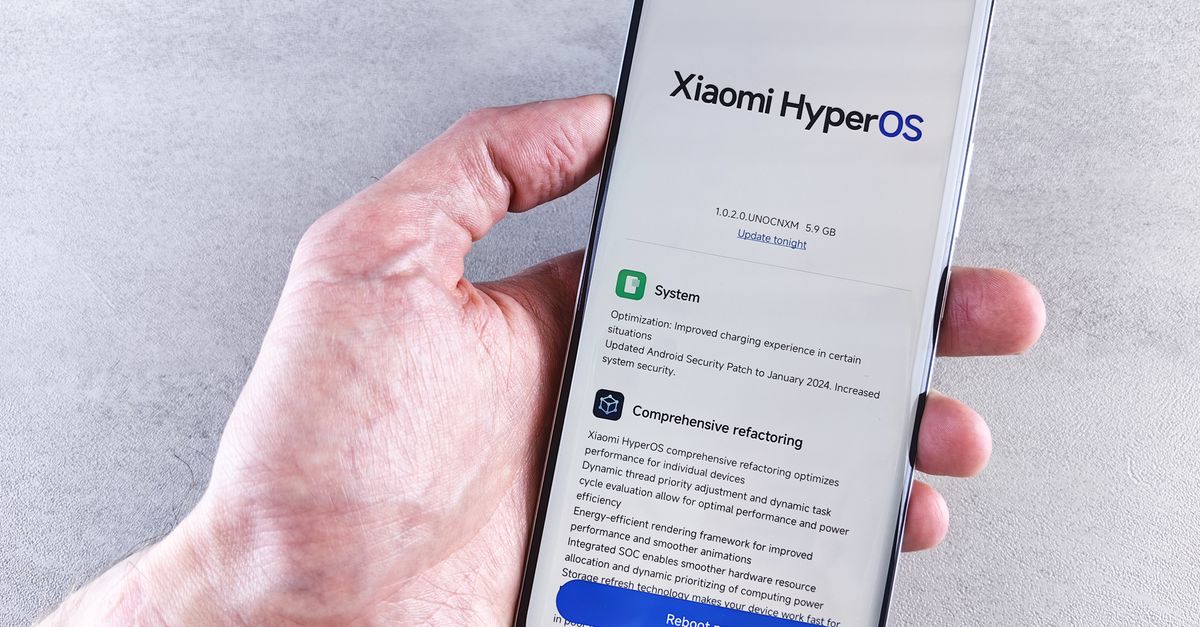
Mobile devices have evolved from pocket-sized phones into versatile computing platforms that shape work, entertainment, transport, and social life. Their progress now involves faster networks, smarter software, flexible screens, longer-lasting batteries, and increasingly invisible automation. Together, these changes are making technology more personal, portable, and woven into ordinary routines.
Advertisement
From Phones to Personal Platforms
Mobile Technology Innovations And Trends now extend far beyond calling and messaging. A modern handset can serve as a camera, map, wallet, game console, office, language assistant, and remote control for household devices. This convergence has made phones central to daily decision-making, from checking a train schedule to monitoring a delivery or joining a video meeting. The smartphone is no longer merely a product category; it is a small, connected platform that keeps collecting useful functions like souvenirs. The challenge for manufacturers is deciding which features genuinely improve life and which simply add another icon to an already crowded screen.
Advertisement
The Quiet Power of Artificial Intelligence
Mobile Technology Innovations And Trends are increasingly shaped by artificial intelligence running directly on devices. On-device AI can summarize messages, improve photographs, translate speech, identify objects, and predict what a user may need next without sending every task to a remote server. This approach can reduce delays and support greater privacy, while also lowering dependence on a constant internet connection. Generative tools are becoming more practical, too: users can edit images with plain-language instructions, create meeting notes, or receive writing suggestions in seconds. The most successful features will probably be the least theatrical ones—the helpers that save time without demanding applause.
Advertisement
Connectivity Gets Faster and More Flexible
Mobile Technology Innovations And Trends depend heavily on the networks that connect devices to people and services. The expansion of 5G has improved speed and responsiveness in many locations, while newer network designs aim to make connections more reliable in crowded places. Satellite-to-phone services are also developing, potentially extending basic connectivity beyond conventional coverage areas. Meanwhile, Wi-Fi improvements, edge computing, and private networks are helping factories, campuses, and transport systems manage data closer to where it is created. Faster connections matter, but consistency matters just as much; nobody celebrates a record download speed if a video call freezes during the important bit.
Advertisement
Foldable Screens and New Hardware Shapes
Mobile Technology Innovations And Trends are changing the physical form of personal electronics. Foldable phones can provide a compact device that opens into a larger display, while rollable and dual-screen concepts explore other ways to balance portability with workspace. These designs may benefit commuters, travelers, and professionals who want more screen area without carrying a tablet. Durability remains a key concern, since hinges, flexible panels, and thin materials must survive years of pockets, bags, drops, and hurried charging. Hardware designers are therefore working on stronger glass, improved hinge mechanisms, and lighter components. Novel shapes will succeed only when they feel useful rather than like expensive origami.
Advertisement
Battery Life and More Responsible Design
Mobile Technology Innovations And Trends also focus on a less glamorous but more important frontier: energy. Better battery chemistry, faster charging, improved processors, and software that limits unnecessary activity are extending the time devices can operate between charges. Researchers and manufacturers are exploring alternative materials, modular components, and more efficient production methods to reduce environmental costs. Repairability is gaining attention as well, because replacing a small part should not always require replacing an entire device. Consumers are increasingly interested in recycled materials, trade-in programs, and longer software support. A phone that lasts several years is often more impressive than one that wins a benchmark race for five minutes.
Advertisement
The Rise of Wearable and Ambient Computing
Mobile Technology Innovations And Trends are moving beyond the phone itself through watches, earbuds, smart glasses, fitness bands, and other wearable products. These devices can display alerts, support hands-free controls, track activity, and provide quick access to navigation or communication. Smart glasses may eventually offer contextual information in a user’s field of view, although comfort, privacy, and social acceptance remain major hurdles. Ambient computing takes the idea further by placing useful technology into rooms, vehicles, and everyday objects. In this model, the best interface may be a voice command, a glance, or an automatic action rather than another glowing rectangle requesting attention.
Advertisement
Privacy, Security, and Digital Trust
Mobile Technology Innovations And Trends bring clear benefits, but they also increase the amount of personal information moving through digital systems. Location data, voice recordings, biometric identifiers, purchasing habits, and browsing patterns can reveal a remarkably detailed picture of someone’s life. Strong device encryption, clearer permission controls, secure authentication, and timely software updates are therefore essential features rather than technical luxuries. Companies must also explain how data is collected and used in language ordinary people can understand. Trust cannot be installed with a firmware update. It grows when products minimize data collection, provide meaningful choices, and behave predictably when something goes wrong.
Advertisement
How Work, Travel, and Entertainment Are Changing
Mobile Technology Innovations And Trends are reshaping how people organize their days. Digital wallets reduce the need for physical cards, navigation tools coordinate complex journeys, and cloud applications allow work to continue across phones, tablets, and computers. Streaming services, mobile gaming, short-form video, and social platforms have made entertainment more immediate and personalized. At the same time, businesses are using connected devices for inventory, customer support, remote collaboration, and real-time analysis. These conveniences can blur the boundary between work and rest, so thoughtful design matters. A helpful device should make tasks easier, not turn every quiet moment into an opportunity for another notification.
Advertisement
What Comes Next
The next stage of Mobile Technology Innovations And Trends will likely combine intelligence, connectivity, flexibility, and environmental responsibility rather than rely on one spectacular breakthrough. Devices will become better at understanding context, moving smoothly between screens, and completing routine tasks with less user effort. Success will depend on more than impressive specifications: people will expect dependable performance, strong privacy, repairable hardware, and software that remains useful over time. As technology becomes more embedded in everyday life, the most valuable innovation may be restraint—knowing when to assist, when to stay quiet, and when to let humans remain gloriously offline.
Advertisement
Conclusion
Mobile Technology Innovations And Trends are transforming phones into broader personal platforms supported by artificial intelligence, faster networks, flexible hardware, and connected accessories. Progress is also bringing important questions about energy use, privacy, durability, and the limits of constant connectivity. The future will be shaped not only by what devices can do, but by how thoughtfully they fit into human lives.
Advertisement