How Phone Alerts Are Changing Our Daily News Habits
A Briefing System in Your Pocket
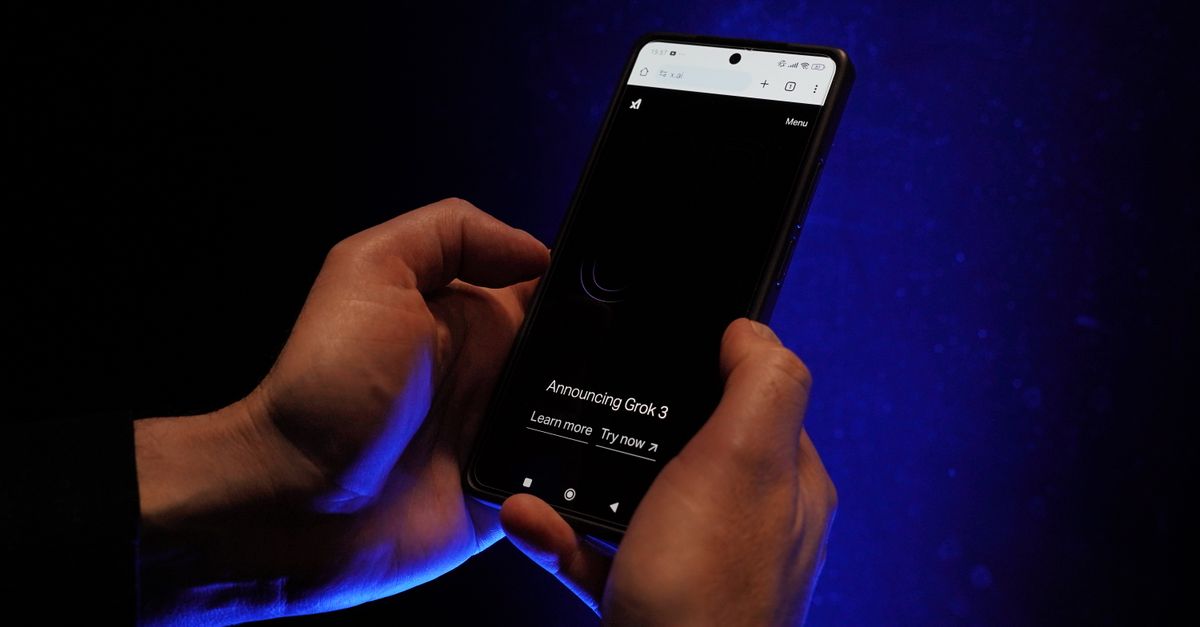
News now arrives in pockets, on lock screens, and between errands, changing not only how people learn what happened but also how they decide what matters. Mobile-first reporting blends speed, visuals, personalization, and constant connectivity, creating a convenient briefing system while raising serious questions about accuracy, attention, context, and trust.
Advertisement
From Newspaper Routines to Instant Updates
The rise of Mobile News Beat reflects a broader change in daily habits. Readers once waited for a morning paper, an evening broadcast, or a scheduled website visit. Now, news competes with messages, music, shopping alerts, and workplace notifications. The result is a more continuous relationship with current events, but not necessarily a deeper one. People can follow a developing story within seconds, yet they may encounter it in fragments, separated from the background that makes it meaningful. Information has become easier to reach and harder to place in context—a very modern trade-off.
Advertisement
Speed Is Powerful, but Not Always Wise
At the heart of Mobile News Beat is speed. Reporters can publish a short update while an event is unfolding, attach photographs from the scene, and revise the story as reliable details emerge. This immediacy is valuable during elections, severe weather, transport disruptions, and major public events. However, speed can also reward speculation. Early reports may rely on incomplete eyewitness accounts, unclear videos, or social media posts that have not been verified. Responsible newsrooms therefore need visible corrections, careful sourcing, and enough restraint to avoid turning uncertainty into apparent fact.
Advertisement
The News Experience Becomes Personal
Mobile News Beat is also shaped by personalization. News applications learn which subjects a reader opens, skips, saves, or shares, then use those signals to arrange future recommendations. A sports fan may receive match alerts, while a business reader sees market updates before entertainment headlines. This tailoring saves time and can make news feel more relevant. Yet personalization may narrow a person’s view of the world if familiar interests crowd out unfamiliar but important subjects. A useful service should offer both relevance and serendipity, rather than building a perfectly comfortable information bubble.
Advertisement
Visual Storytelling Takes the Lead
On small screens, presentation matters almost as much as prose. Mobile News Beat commonly uses short paragraphs, bold labels, photographs, maps, charts, audio clips, and vertical video to make complicated developments easier to absorb. These formats can explain a moving storm, a changing election map, or a long economic trend more clearly than several dense pages of text. They can also oversimplify. A striking image may dominate attention even when it says little about the central issue, while animated graphics can create a sense of certainty that the underlying evidence does not support.
Advertisement
Notifications Compete for Attention
The defining feature of Mobile News Beat may be the alert: a small vibration announcing that something important has happened. Alerts are useful when timing genuinely matters, but excessive notifications create fatigue. When every minor update arrives with urgent language, readers begin ignoring all of them. The smartest systems distinguish between breaking developments, useful summaries, and routine updates. They also give people control over frequency and subject matter. Attention is not an unlimited resource; it is more like a household budget, and careless publishers can spend it very quickly.
Advertisement
Trust Has Become a Design Problem
In Mobile News Beat, credibility is communicated through more than an organisation’s reputation. Readers notice whether an article names its sources, separates reporting from commentary, displays a publication time, and explains what remains unknown. Clear labels for analysis, opinion, sponsored material, and corrections help people interpret what they see. So does consistency: a publication that admits an error may appear more trustworthy than one that quietly edits its copy. On crowded screens, small design choices carry large consequences because readers often make judgments before finishing the first paragraph.
Advertisement
The Business Behind the Screen
Mobile News Beat has changed the economics of publishing as well. Digital outlets measure subscriptions, reading time, registrations, video views, and the number of people who return directly to an application. Advertising remains important, but many publishers increasingly depend on memberships, paid newsletters, events, licensing, or premium access. This pressure can encourage useful innovation, including better local reporting and specialised coverage. It can also tempt publishers toward dramatic headlines and endless updates designed to increase clicks. Sustainable journalism requires revenue models that reward accuracy and public value, not merely volume.
Advertisement
A More Thoughtful Mobile Habit
Mobile News Beat is unlikely to replace every older form of journalism, because long investigations, printed editions, broadcasts, and specialist publications still serve different needs. Instead, it functions as the front door through which many people first encounter a story. Its greatest strength is accessibility: news can reach readers wherever they are, often in formats suited to limited time. Its greatest weakness is the temptation to confuse being updated with being informed. A headline may announce an event, but understanding usually requires time, comparison, and a willingness to sit with complexity.
Advertisement
Conclusion
Mobile news has made information faster, more visual, and more personal than ever. It has also introduced new challenges involving verification, notification fatigue, fragmented context, and commercial pressure. The healthiest news habits combine convenient updates with slower, fuller reporting and attention to reliable sources. In the end, technology can deliver the headline instantly, but thoughtful readers still give understanding the time it deserves.
Advertisement